Rising living costs have made it increasingly difficult for many households to keep up with monthly utility bills. Fortunately, a variety of programs across New Jersey are designed to help residents manage gas, electric, water, and even housing expenses. Following recent updates from the New Jersey Board of Public Utilities (BPU) and PSEG, there are new resources and procedures in place to make this assistance easier to access.
New Efforts to Support Utility Assistance Enrollment
On June 18, 2025, the New Jersey Board of Public Utilities (BPU) issued new mandates requiring utilities to take a more active role in helping customers apply for the Universal Service Fund (USF) program. The USF helps make energy bills more affordable for low-income households by providing monthly credits on electric and natural gas bills.
In response, PSEG created the Payment Assistance Intake Department (PAID) — a new initiative focused on connecting more residents to available aid. The PAID team will operate a dedicated call center to handle both incoming and outgoing outreach. Staff will also be present at customer service centers and community enrollment events to guide applicants through the process step-by-step.
This proactive approach ensures that eligible households not only learn about available programs but also receive help completing applications — a crucial step that often prevents families from getting the assistance they need.
Overview of Available Programs
In addition to USF, several other programs offer one-time or ongoing financial support for utility and housing needs. Below is a summary of key options available to qualifying New Jersey residents:
Payment Assistance for Gas and Electric (PAGE): Offers grants of $500 each for gas and electric bills. Households must first apply for LIHEAP and USF. If denied, they may qualify for up to $700 per service depending on income. Grants are available once per year.
NJ SHARES SMART Utility Assistance Program: Provides up to $500 each for gas and electric arrearages. This grant can be awarded once per calendar year, per utility.
NJ SHARES Energy Assistance Grant: Offers up to $700 per service to maintain or restore gas and electric utilities. Like SMART, it can be received once per year, per utility.
NJ SHARES Municipal Customer Assistance Program (MCAP): Helps with past-due municipal electric, water, or sewer bills, up to $200 per service. Not all municipalities participate, so residents should verify eligibility online before applying.
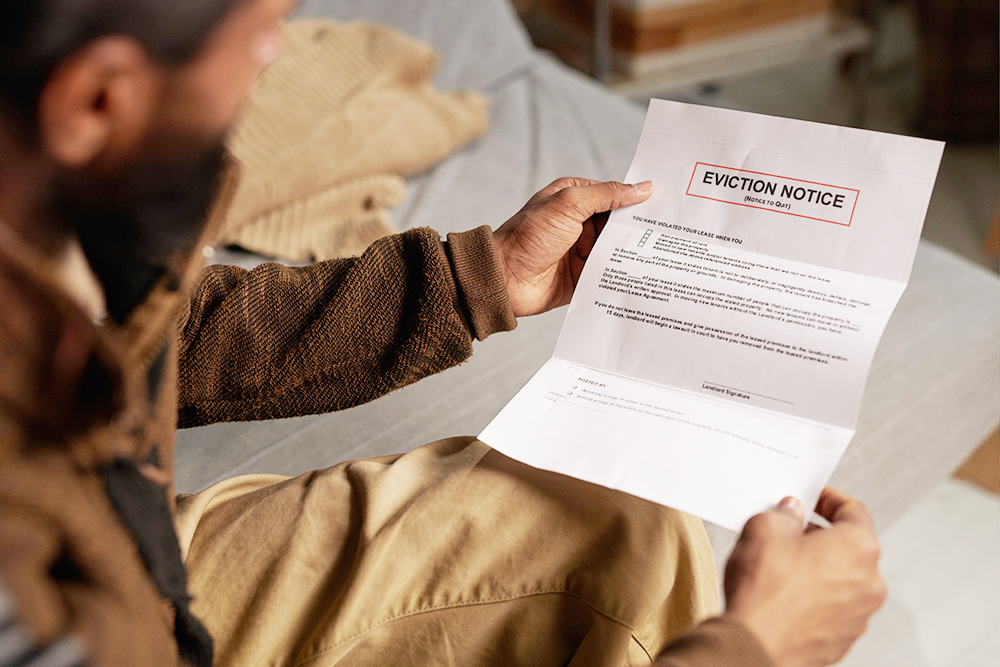
NJ SMART Program: Assists low-income households with mortgage, rent, or property tax payments more than 30 days overdue. The program can also help with security deposits or first month’s rent, offering up to $5,000 in total aid.
New Jersey American Water H2O Help to Others Program: Qualified customers may receive up to $500 to assist with water bills. Grants are available once every 36 months.
Veolia Cares Program: Provides up to $150 for water bills in New Jersey, and up to $450 for combined water and sewer bills in certain other states. Grants are available once per year.
Aqua Aid Program: Offers up to $150 for water service or $250 for combined water and sewer bills, available once every 12 months.
Each of these programs has its own eligibility guidelines based on household income, family size, and the type of utility service. Many also require documentation such as proof of income, identification, and a copy of the current bill.
Where to Apply and Learn More
Residents can explore these programs and submit applications online through NJ SHARES, the nonprofit organization that administers many of these grants. The following resources are especially helpful:
All Program Information: https://sharesnation.org/programs/
Online Applicant Portal: https://apply.sharesnation.org
Find Local Agency Partners: https://sharesnation.org/agencies/
With new state directives and dedicated outreach teams like PSEG’s PAID department, applying for assistance is becoming simpler and more accessible. If you or someone you know is struggling with utility or housing costs, take a few minutes to review these programs — a single call or online application could help bring financial relief and ensure vital services remain connected.