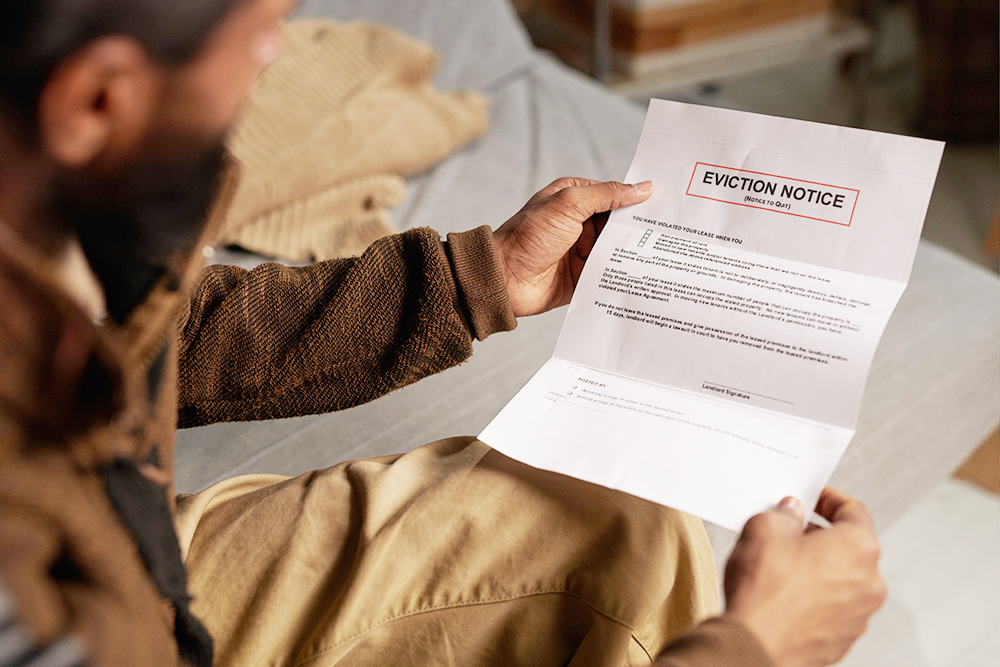
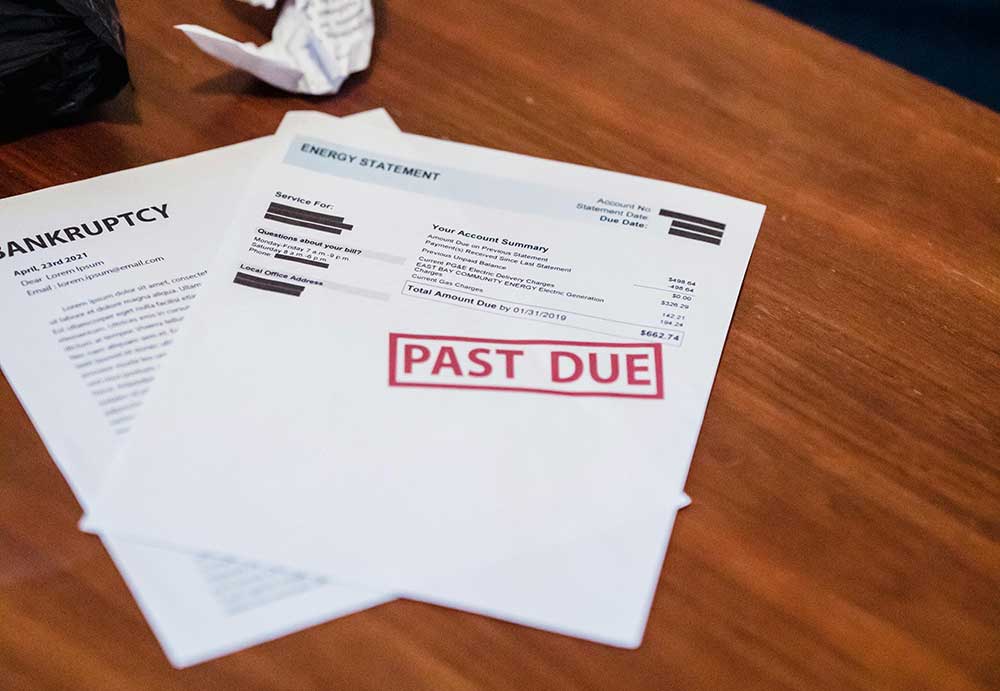
The purpose of bankruptcy is to help people with a lot of debt make a fresh financial start. The most common reasons people file for bankruptcy are family breakup, unpayable medical bills, and job loss. Federal laws govern bankruptcy proceedings. This means a bankruptcy petition filed in Bankruptcy Court for the District of New Jersey receives the same treatment as a petition filed in Utah.
Who Files for Bankruptcy
There are several different kinds of bankruptcy. You may have heard the word “chapter” to describe a bankruptcy. Chapter refers to specific section of the law. This article explains two types of bankruptcy that individuals’ or married couples can file: chapter 13 and chapter 7. In both types of bankruptcy, the court appoints a trustee to oversee the bankruptcy process. A trustee is a person who has experience reviewing bankruptcy petitions, income tax returns, and business records.
When you file for chapter 13 or chapter 7 bankruptcy, you must provide information about your finances and property. This includes personal and real property like houses, land, and other real estate. You also have to list your creditors. Creditors are the people, businesses, or other entities you owe money to. When you list your creditors, you must include their names, addresses, and the amount you owe them. If you are not sure who you owe money to, you should ask for a copy of your credit report. If you see a claim on your credit report that you cannot pay down to zero, that person or business is one of your creditors. You should do your best to include all your creditors in your petition. However, courts have said that accreditor will be included in your bankruptcy even if you forgot to list them in your petition, as long as the debt was created before you filed.
Chapter 13 Petition
Usually, if a person or couple wants to avoid foreclosure, they file for chapter 13 bankruptcy. Filing under chapter 13 allows you to set up a plan to pay the amount you owe on your mortgage, plus any interest and late fees, on a monthly basis. Every month, your payments go to the chapter 13 trustee. You must also pay an administration fee to the trustee. The administrative fee is 10% of your monthly payment. For example, if your chapter 13 plan says you must pay $500 a month towards your mortgage and arrears, you must pay also pay a $50administrative fee. Finally, in addition to the chapter 13 plan payments and the administrative fee, you must also pay your mortgage. That way, you will not create any new arrears and owe more money on your mortgage.
If you correctly calculated how much you owe and make your monthly payments, you should be able to make your loan current within five years or 60 payments of the day you filed for bankruptcy. When this happens, you will receive an Order that “discharges” your debt to other creditors. This means you are no longer responsible for debt you owe to other creditors. When your loan becomes current, you go back to paying the amount you originally agreed to in your loan.
When you create a chapter 13 plan, it is important to be realistic. You must carefully calculate how much you owe on your mortgage and decide if you can make your monthly payments.
Chapter 7 Petition
When people file for chapter 7 bankruptcy, they are asking the Court to erase debts they owe to their creditors. Usually, people who do not have a lot of valuable property (i.e. like a new car or property worth more than $25,000) will not have to sell any property to pay their creditors.
To file for chapter 7 bankruptcy you must pay a $335 filing fee to the Bankruptcy Court. If you cannot afford to pay this, you can ask the Court to waive the fee. There is a waiver application included in the chapter 7 petition forms. Once you file your petition, the Court will give it a case number. Then, it will schedule a meeting for you and your attorney. The chapter 7Trustee will lead the meeting.
Before this meeting, your creditors must file any objections they have to your debt being erased. Usually, for a creditor to have a valid objection it must show that you never intended to pay the loan back or you got the loan through false pretenses.
Also, if you want to change or add to the information in your petition, you must do so before your meeting. Finally, at least ten days before your meeting, you must give the Trustee proof of income from the 60 day period before you filed for bankruptcy and copies of your most recent income tax return. You do not have to have an attorney at this meeting but it is a good idea.
If you file for chapter 7 bankruptcy, you also have to receive instruction called “debtor education.” Debtor education is similar to credit counseling. This instruction is provided by an agency approved by the Bankruptcy Court. You have 60 days after your meeting to get debtor education. Then, you must file a certificate with the Court to prove you met this requirement.
What Happens After Filing for Bankruptcy
After you file your petition for bankruptcy, your creditors cannot try to collect debt from you. If you want to pay a creditor after you file for bankruptcy, you can ask the Court for permission to do so. If the Judge thinks you can afford to pay the creditor and allowing you to pay the creditor will not create more financial problems for you, he or she will approve the arrangement. If you change your mind and do not want to pay the creditor, you have 60 days to cancel the agreement by notifying the creditor in writing.
Usually, you can expect to receive an Order from the Bankruptcy Court within ten days after your meeting with the Trustee. The Order will explain the terms of your “discharge” or relief from debt. If you get an Order discharging your debt, you cannot file another petition for at least 8 years. Also, your bankruptcy will appear on your credit report for ten years after the day you filed your petition.